1. Context
KP Engineering, a London-based manufacturer of bespoke gates and railing systems, required a structural redesign of its website to support an expanding product portfolio and improve inquiry generation.
The previous platform lacked:
- Clear content hierarchy
- Scalable product categorization
- Structured visual presentation
- Long-term maintainability
The objective was not a cosmetic refresh.
It was the establishment of a scalable content architecture aligned with a consultation-based sales model.
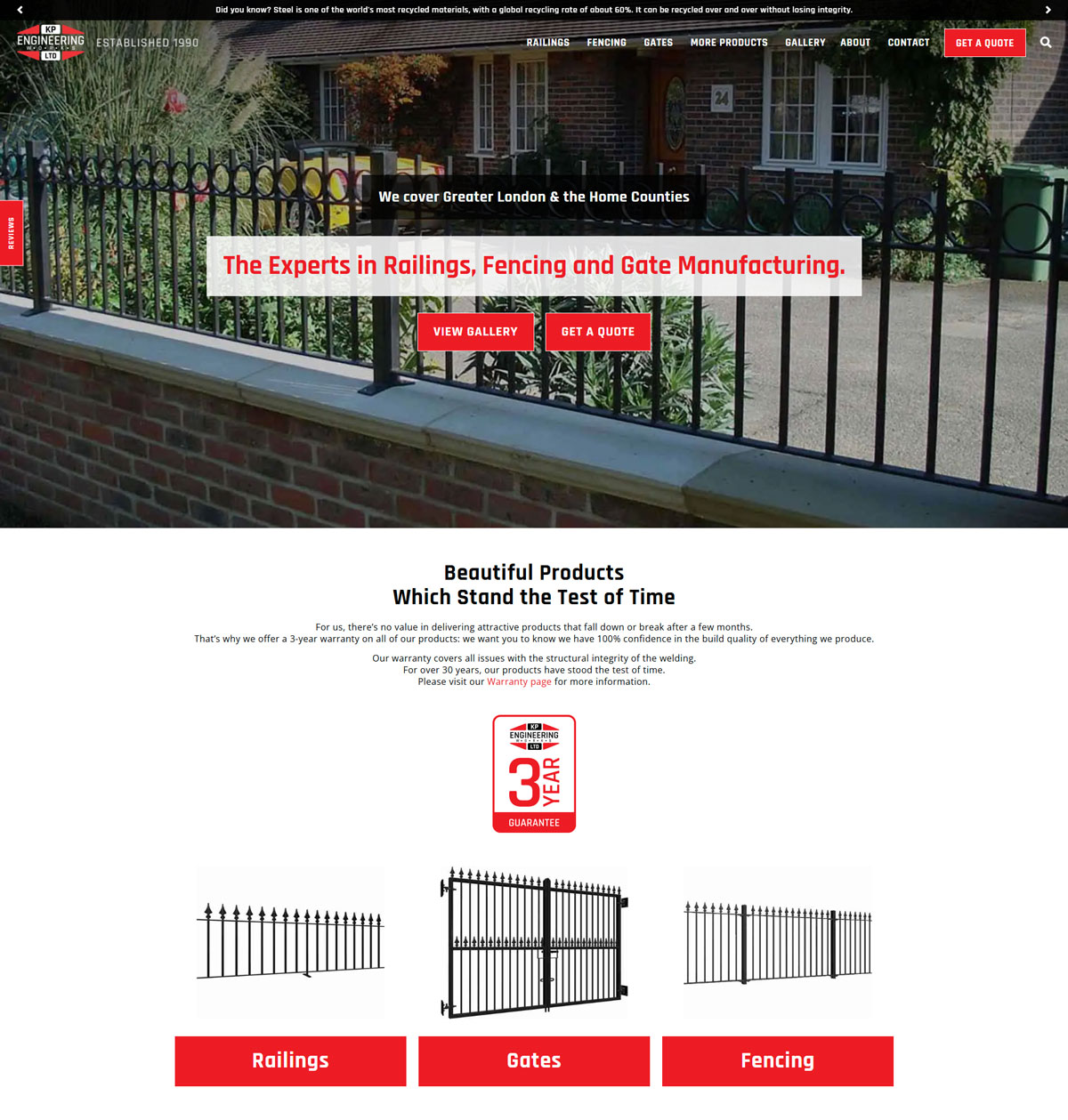
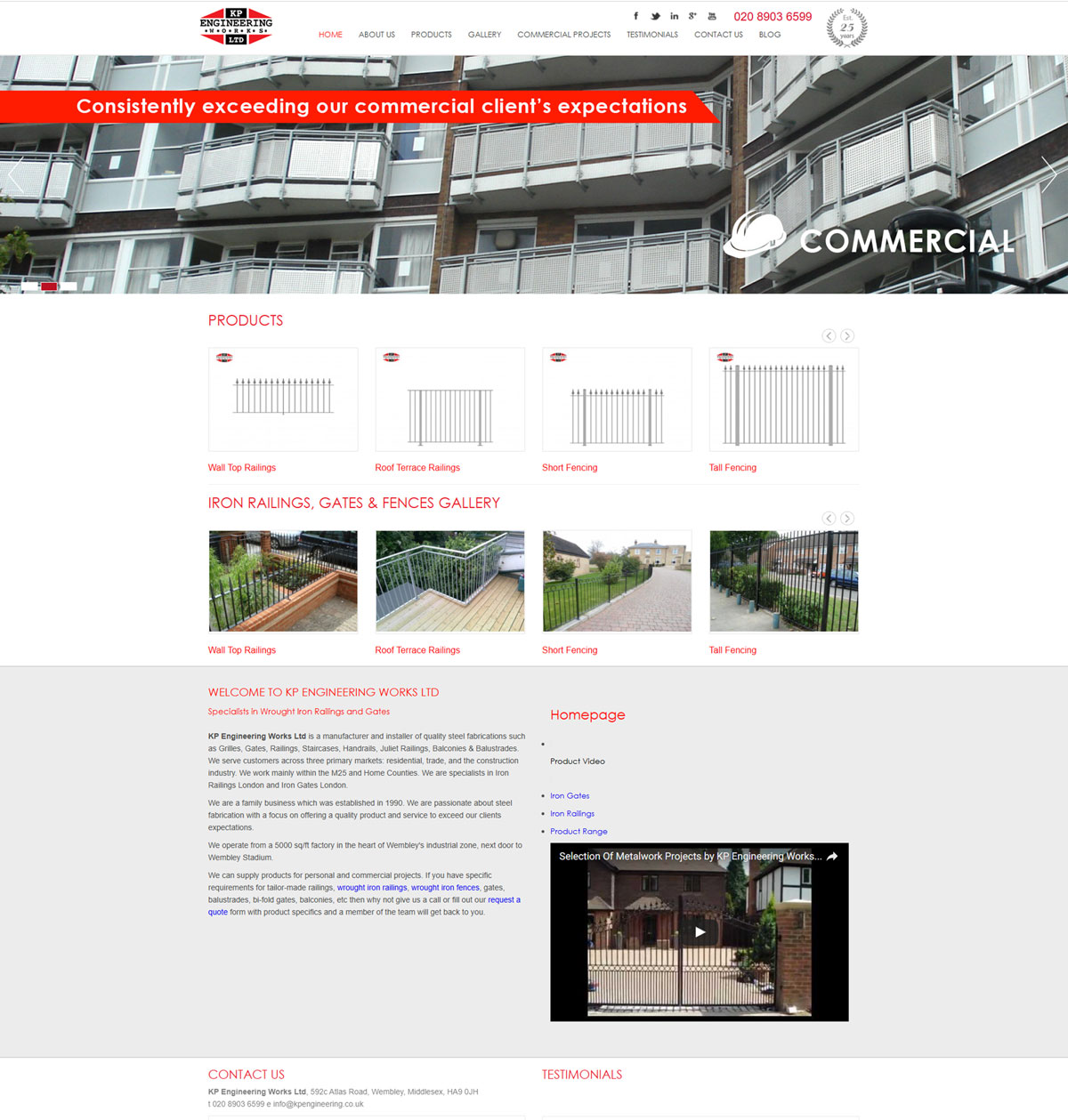
Before (2017) – After (2023 modernization)
2. Operational Constraints
The business model imposed structural limitations:
- Products require consultation — no fixed pricing
- No transactional checkout model
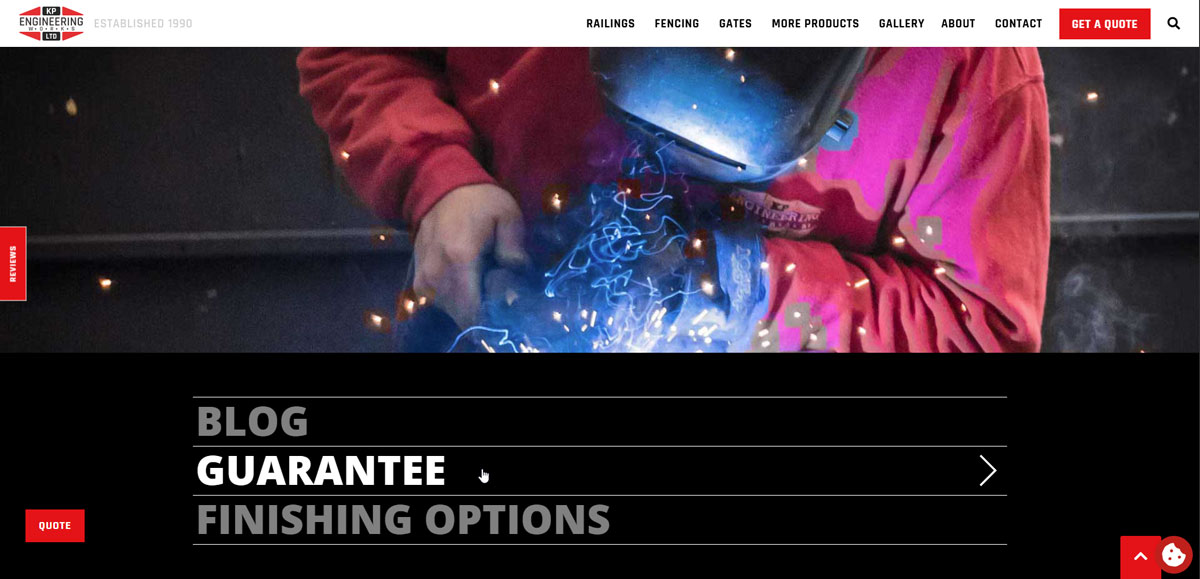
- Large-format field photography must dominate presentation
- Product families continuously expand
- SEO visibility required structured segmentation
- Platform needed long-term maintainability
A traditional eCommerce implementation was evaluated.
It was intentionally rejected.
It would have added complexity without reflecting how the business actually sells.
3. Strategic Platform Shift
Instead of an online store, the platform was restructured around a content-driven product architecture.
Products became structured content entries rather than cart-based listings.
This aligned the website with:
- Consultation-first workflow
- Inquiry-based conversion
- Visual product storytelling
- Category-driven exploration
The focus shifted from “sell online” to guide structured inquiries.
4. Content & Layout Architecture
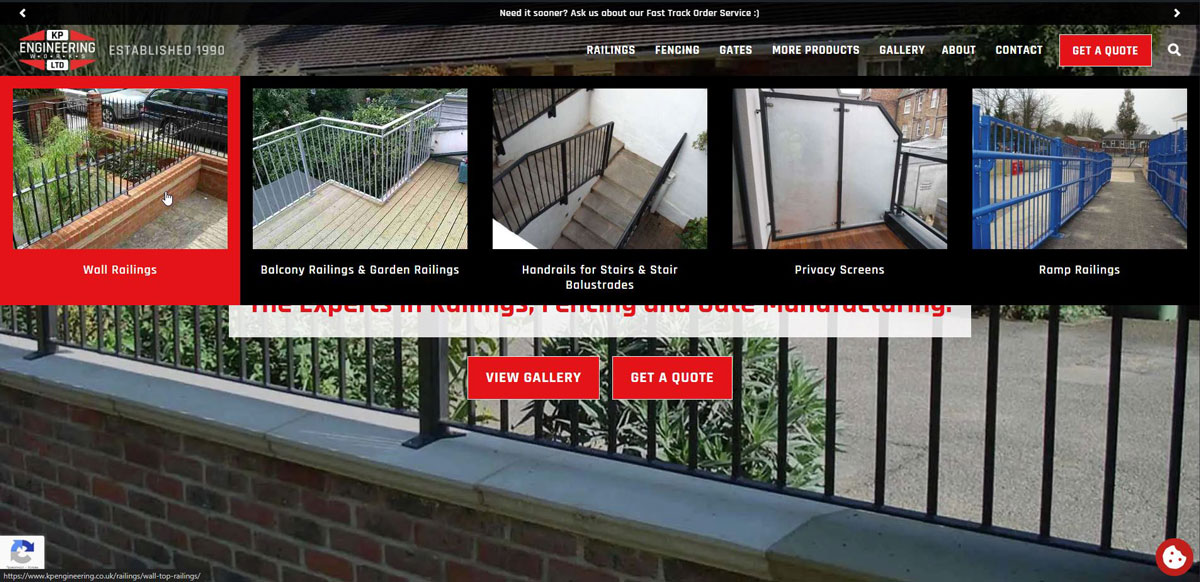
The redesign prioritized spatial clarity and hierarchy.
Key architectural principles:
- Large-format imagery with controlled white space
- Structured mega menu hierarchy
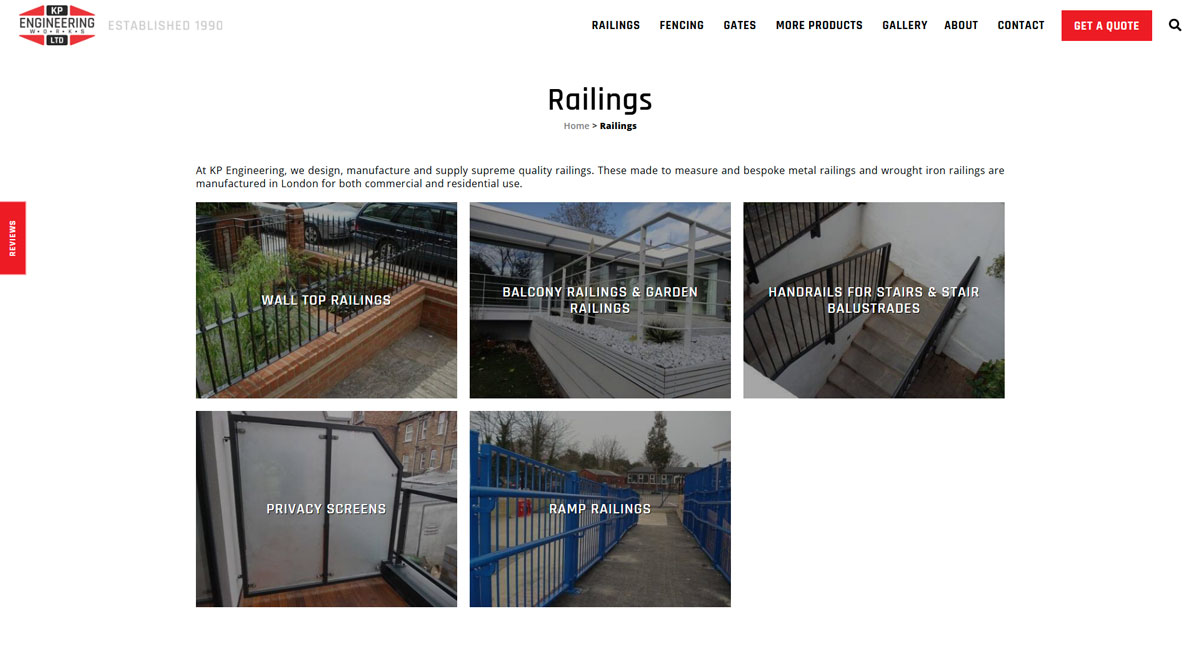
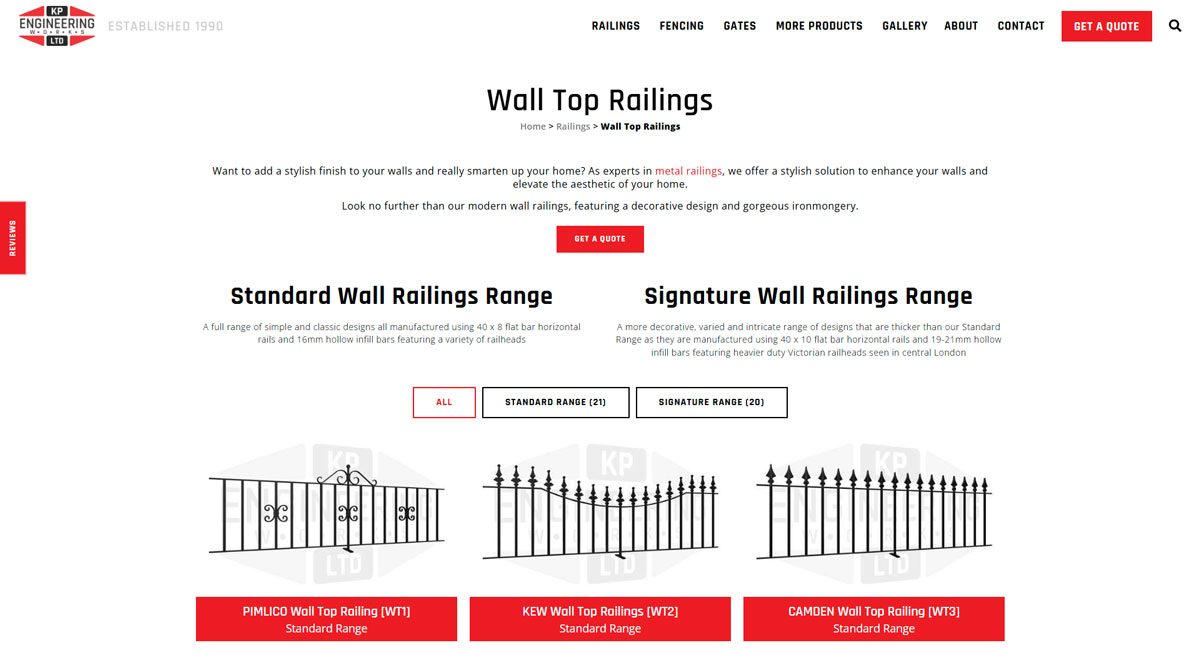
- Grid-based subcategory systems
- Consistent typography rhythm
- SEO-oriented segmentation
- Modular layout blocks
Each category was designed to scale without structural redesign.
5. Scalable Product System
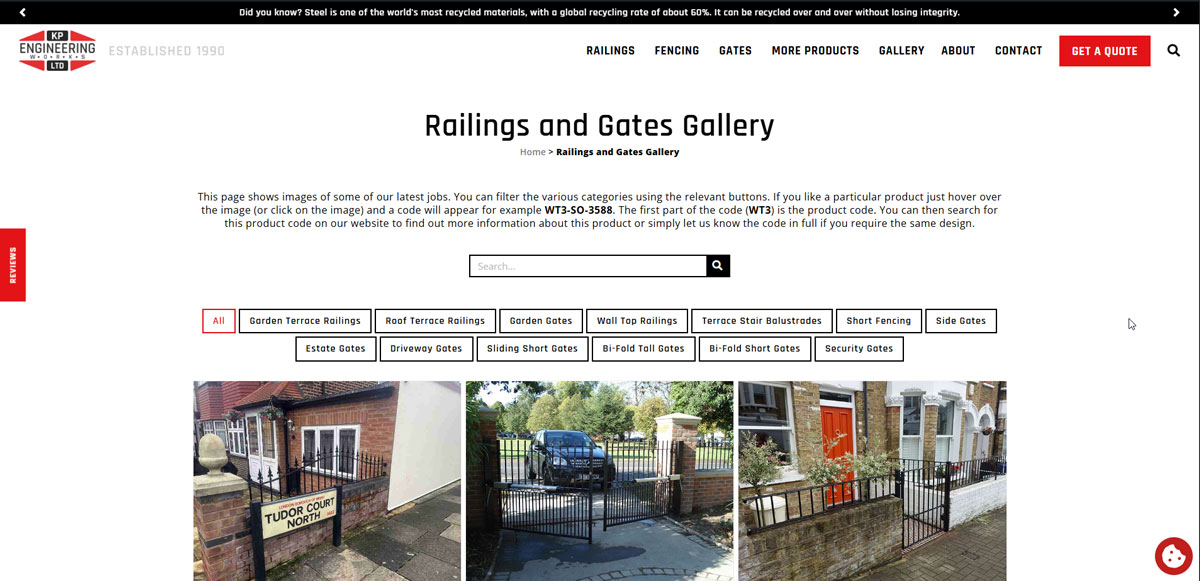
A structured taxonomy and filtering system was implemented to support long-term expansion.
The platform enables:
- Clear segmentation of product families
- Subcategory filtering
- Template-based product pages
- Flexible gallery presentation
- Inquiry-focused conversion flow
6. Platform Modernization & Stack Migration (2023)
Several years after the initial implementation, the underlying stack was modernized.
Migration:
Avada and Elementor + Hello Theme
The goal was not redesign – it was structural refinement.
The modernization delivered:
- Cleaner template abstraction
- Reduced theme dependency
- Greater layout control
- Improved maintainability
- Simplified long-term system evolution
The architectural foundation remained intact.
The implementation layer became more controlled and future-proof.
7. Implementation Framework
- Structured content model
- Consistent grid system
- Modular layout architecture
- Mega menu navigation logic
- Template abstraction in Elementor
- Controlled theme migration process
The system was designed for stability, not experimentation.
8. Outcome
- Improved structural clarity
- Scalable product architecture
- Stronger inquiry-based conversion alignment
- Long-term maintainability
- Stable production performance
The platform continues evolving incrementally within a controlled architectural framework.
Live Project at kpengineering.co.uk