Context
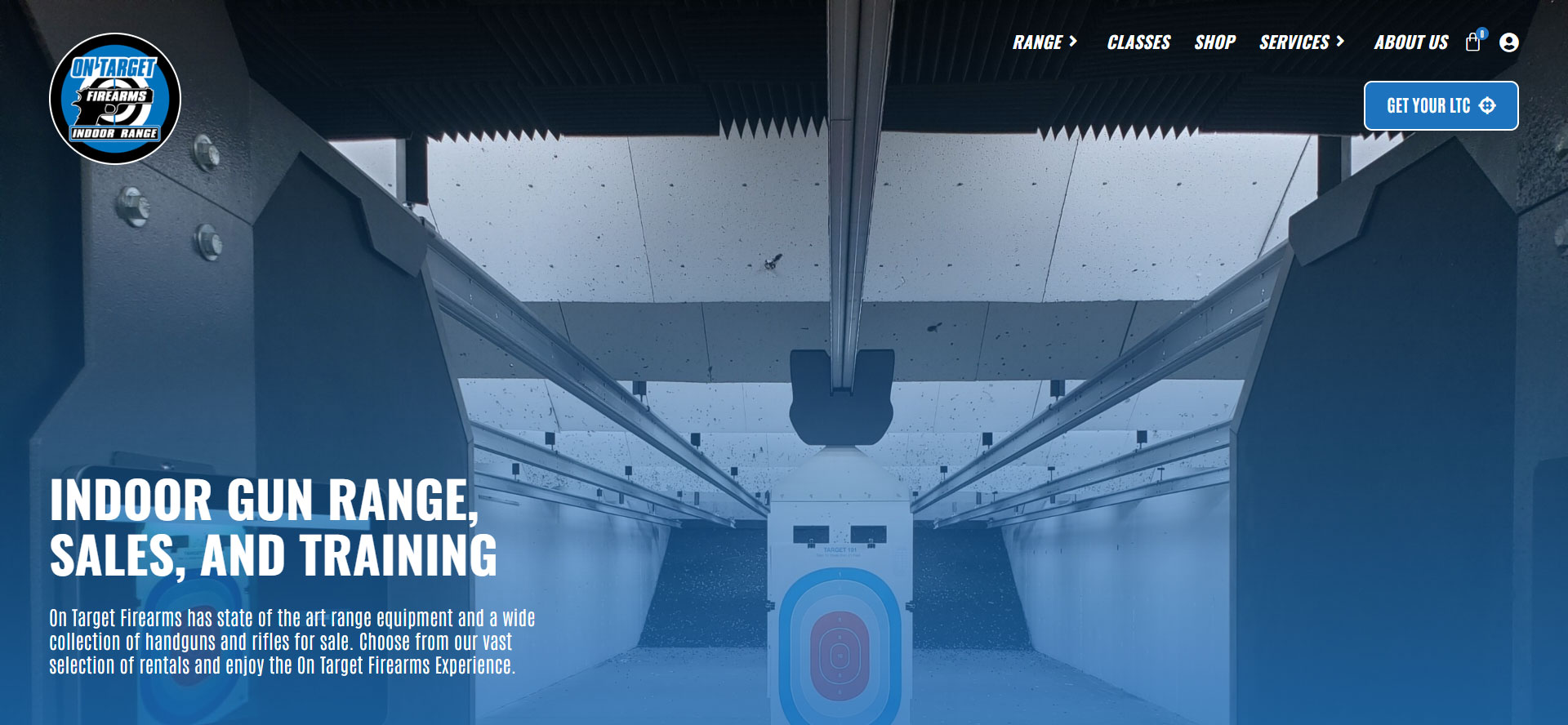
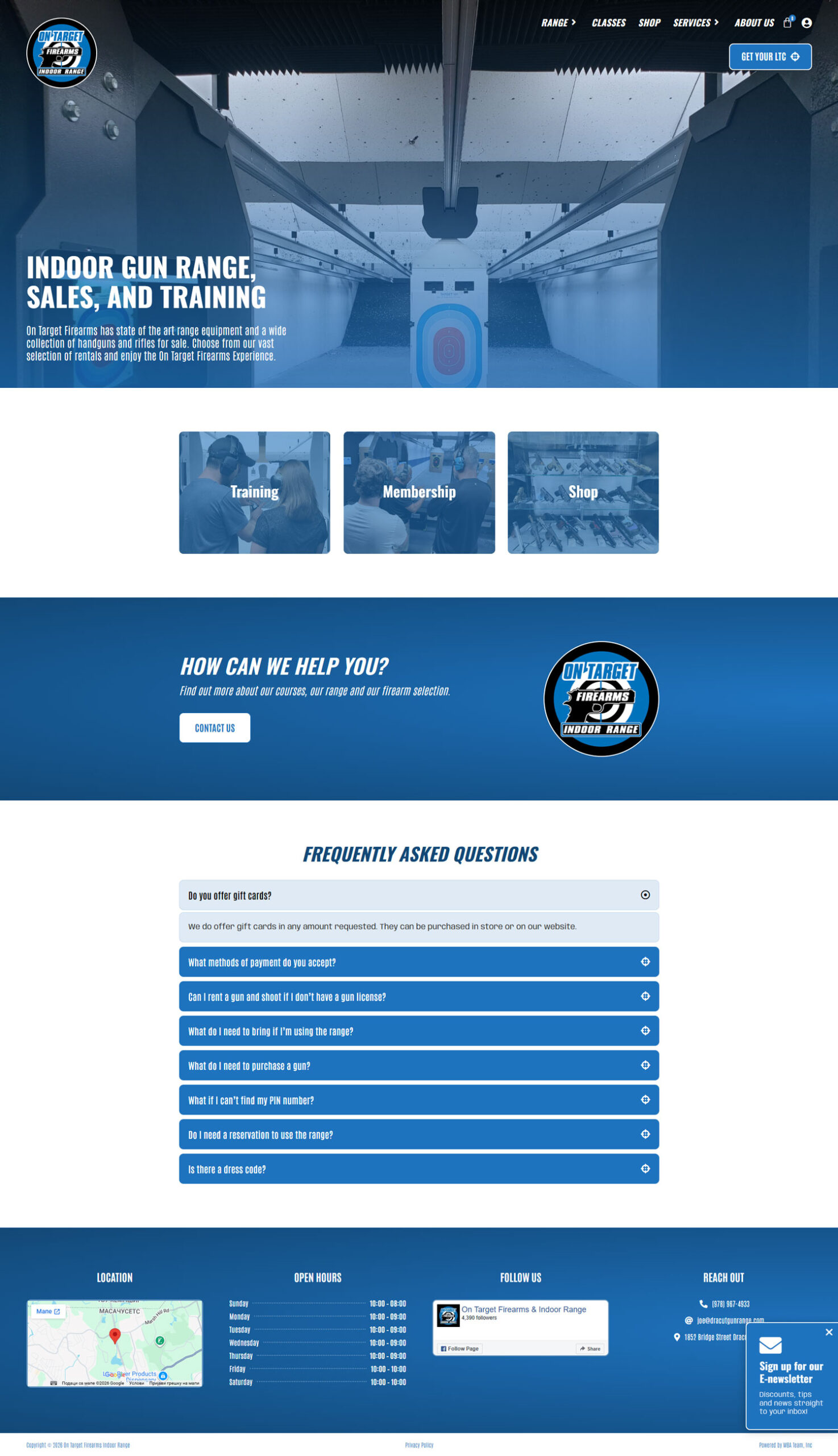
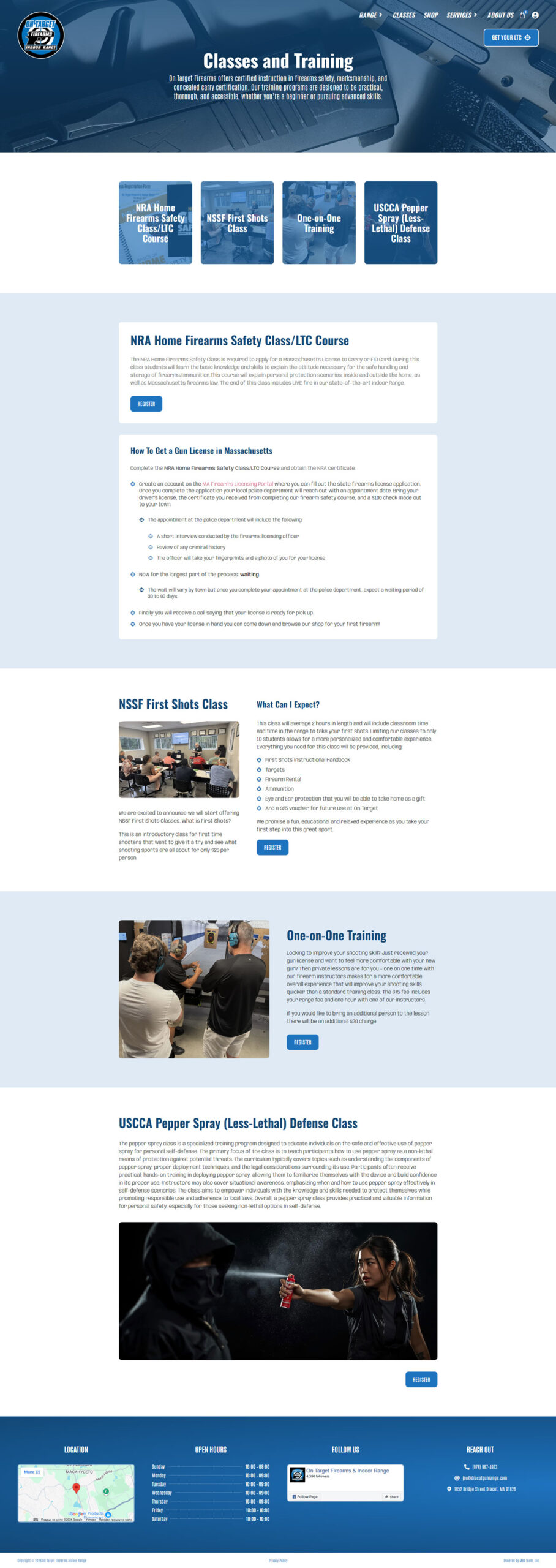
This project began as a white-label redesign for an existing business website that had gradually become visually inconsistent and difficult to maintain. The goal was to create a cleaner, more modern experience, improve mobile presentation, and guide visitors more clearly toward key conversion paths, especially training sign-ups. At the same time, the site needed a deeper cleanup behind the scenes, as the existing setup included duplicated plugins, uneven structure, and a number of third-party dependencies.
The challenge
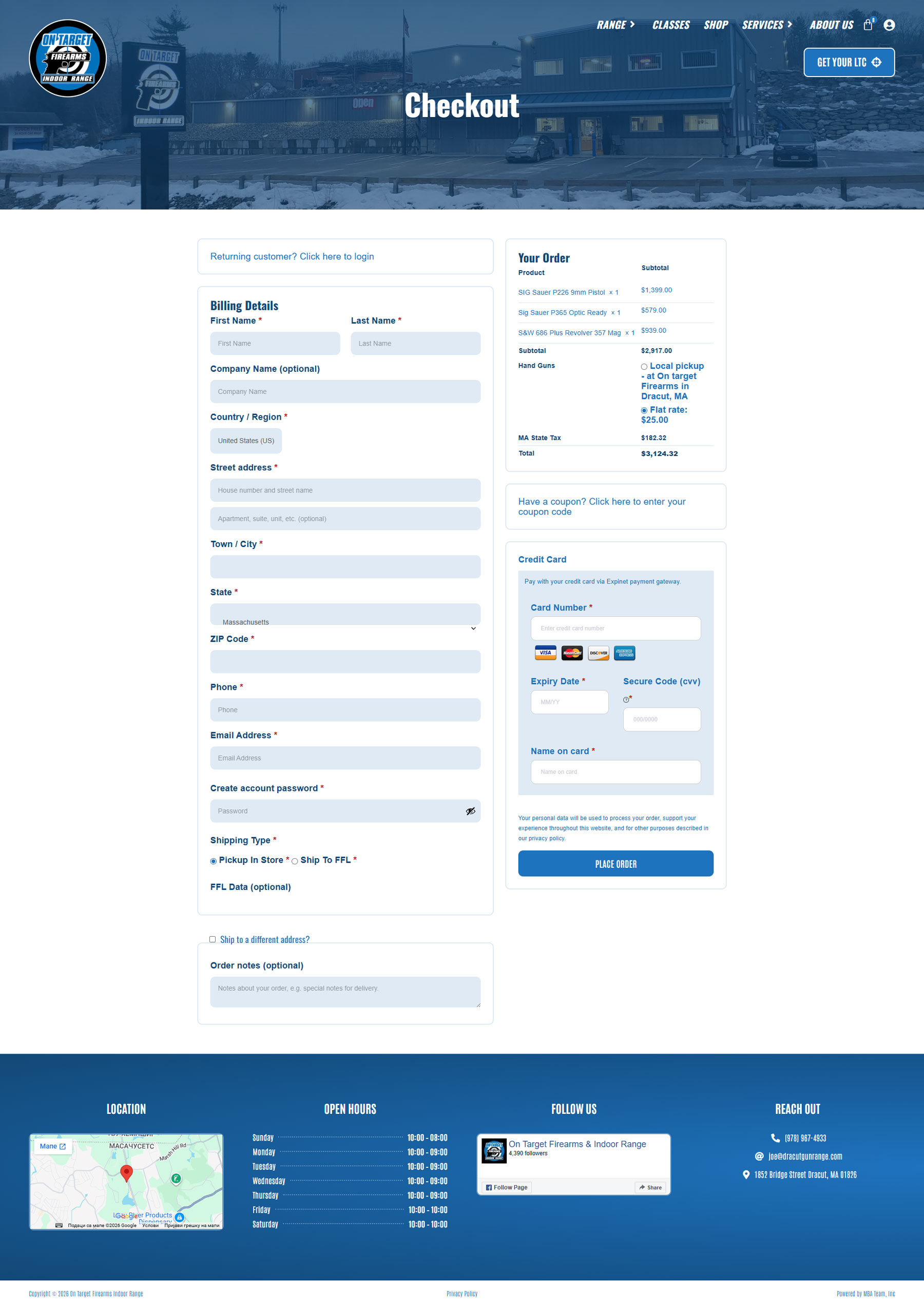
The visible problem was straightforward: the old site looked dated and had lost any clear visual system after years of client-side edits. But the deeper challenge was technical. Product data was not managed directly in WooCommerce, but synced from Trident1 POS, which meant the redesign had to work around external inventory logic, shipping rules, membership behavior, and reservation flows that were only partly connected to WordPress. That created a project where design and backend structure had to be improved at the same time.
What I did
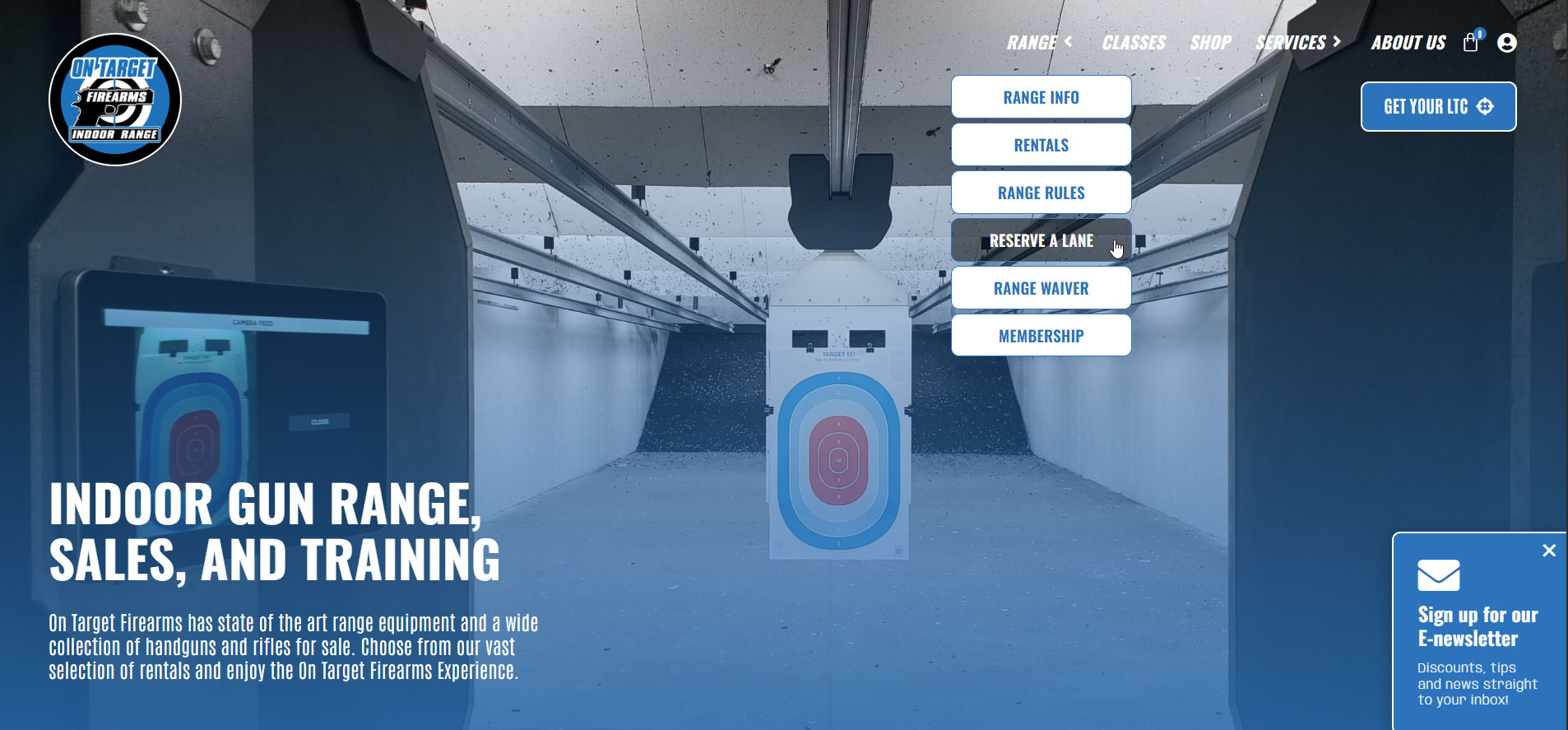
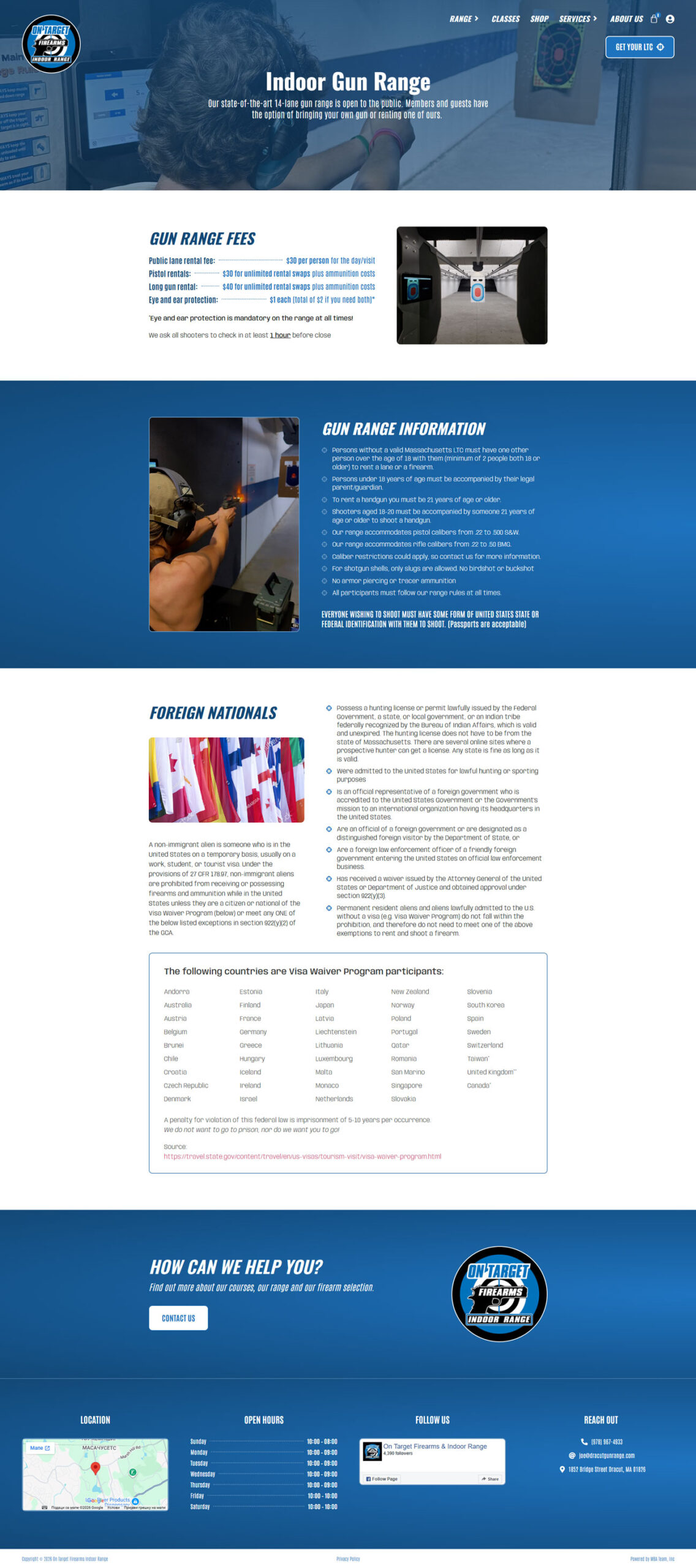
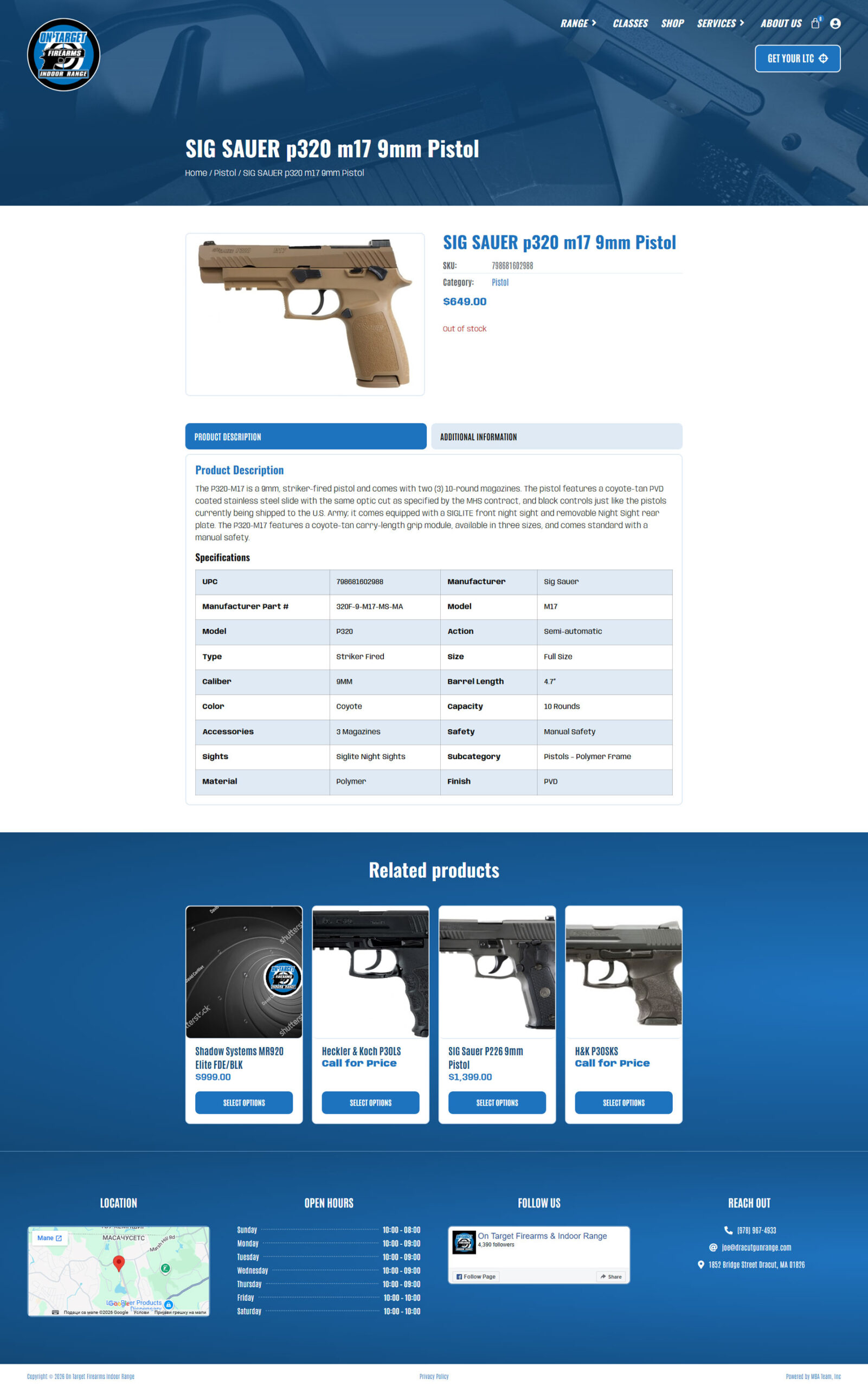
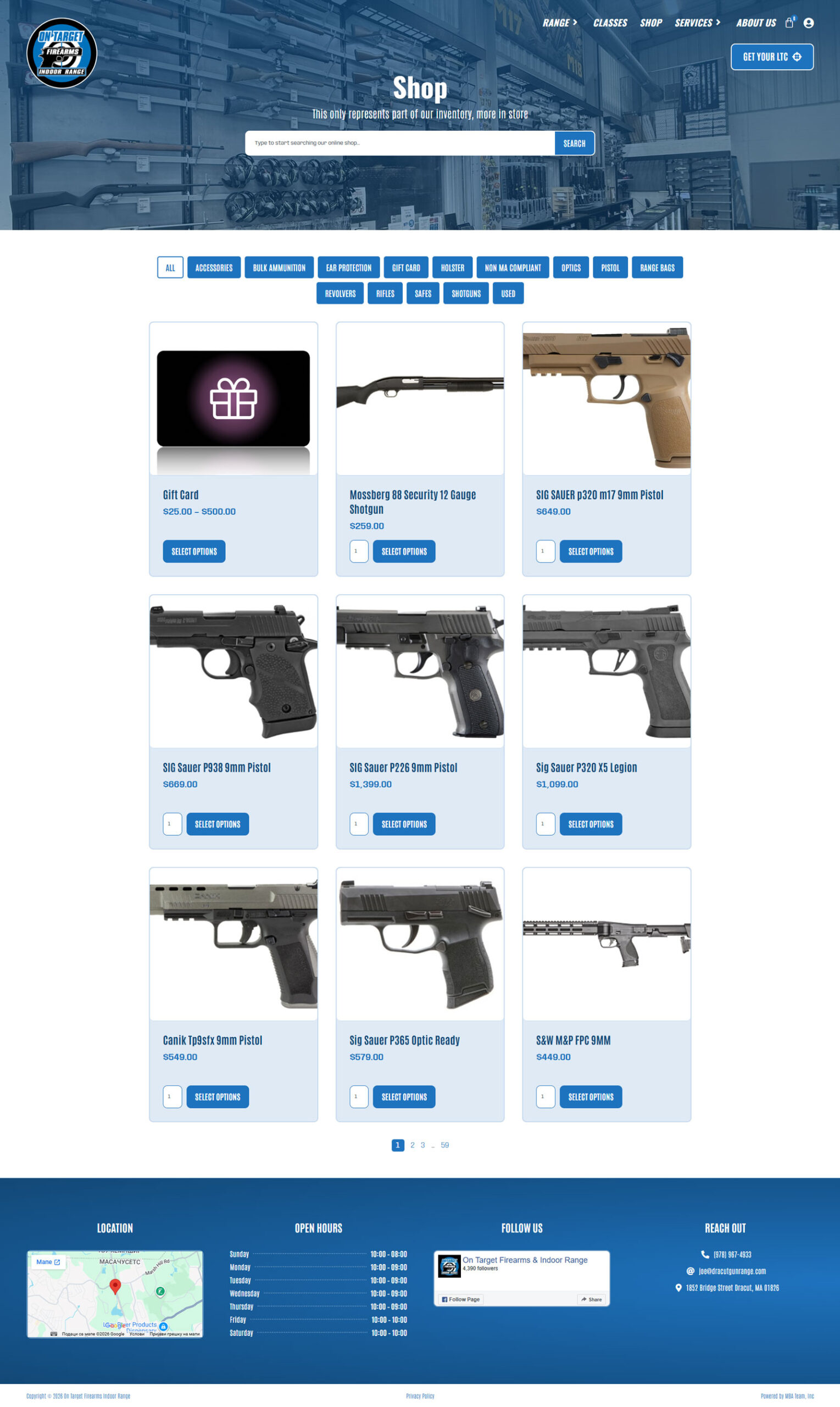
I redesigned the website from the ground up within the existing business and technical constraints, rebuilding the homepage and inner pages in a more modern, conversion-focused layout. The work included navigation restructuring, mobile-first refinement, visual cleanup, and clearer section hierarchy across the site. I also redesigned core WooCommerce templates, including the shop, single product, and product category views, so the store felt more integrated with the rest of the website instead of looking like a default add-on.
WooCommerce and product experience
A large part of the project was making WooCommerce feel intentional rather than generic. The client wanted a stronger storefront presentation without adding unnecessary plugin complexity, so the solution relied on Elementor Pro, template work, and custom CSS rather than piling on more tools. Product listings were reorganized, search became more prominent, category and filter behavior were refined, and several template details were adjusted to improve clarity across different screen sizes.
Booking and membership constraints
The more difficult part of the project came from third-party integration limits. Memberships and reservations were tied to Trident rather than managed cleanly through native WooCommerce user logic, which made standard account-based behavior unreliable. That meant working around external forms, inconsistent plugin behavior, and incomplete documentation, while still trying to make the experience cleaner for real users. Along the way, I styled embedded membership and reservation interfaces to sit more naturally inside the redesigned site and rebuilt parts of the membership flow so the required actions would still fire correctly.
Technical cleanup and stability work
Alongside the redesign, I handled backend cleanup and practical platform decisions. That included removing redundant shipping plugins, simplifying overlapping payment method behavior, fixing mobile-specific layout issues, adjusting menu structure as client requests evolved, and troubleshooting conflicts caused by theme switching and plugin changes. Some WooCommerce product types also required custom treatment, including a separate template approach for booking-based products where add-ons and booking interfaces were overriding the standard layout.
Go-live and post-launch support
The project did not stop at the redesign stage. I also supported pre-launch cleanup, content and image replacement, popup organization, migration checks, font-loading fixes after launch, FAQ schema corrections, pagination fixes in the shop, and debugging of email behavior caused by a POS plugin template override. In other words, this was not just a visual redesign handed off at mockup level — it continued through live implementation, QA, and real-world issue resolution.
Outcome
The final result was a much more modern and structured website built on a cleaner foundation, with stronger mobile presentation, more cohesive WooCommerce templates, and a more usable interface across content, shop, and training-related sections. Just as importantly, the project brought order to a site that had become visually messy and technically fragile, while working within the limits of a third-party POS ecosystem that could not simply be replaced.